Italian Classic
The Perfect Spaghetti Aglio e Olio Recipe
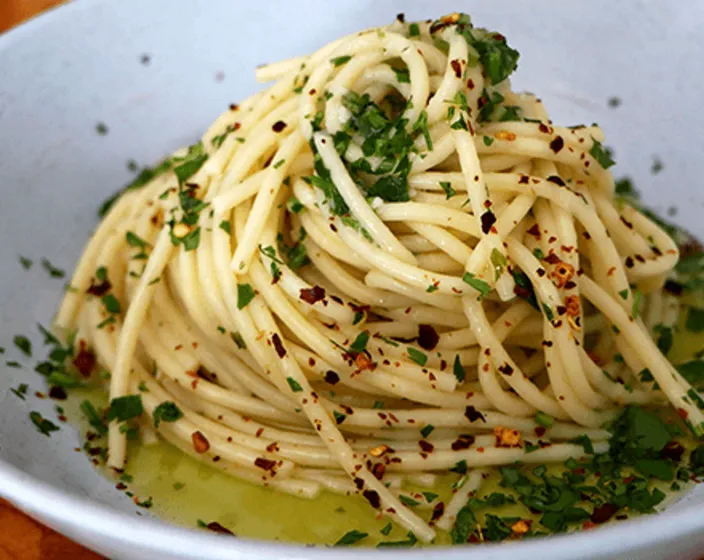
Simple, bold, and ridiculously satisfying—spaghetti aglio e olio proves that great food doesn’t need complicated ingredients. With just garlic, olive oil, chili flakes, and pasta, you get a dish that’s packed with flavor and ready in under 30 minutes.
It’s the kind of dish that makes you rethink restaurant menus—why pay €20 for something this easy when you can make it better at home?
Spaghetti aglio e olio literally means “spaghetti with garlic and oil,” and that’s exactly what it is—no cream, no heavy sauces, just simple ingredients done right. It’s one of those dishes that proves technique matters more than complexity.
The first time I had pasta in Italy, I thought it was undercooked. Turns out, al dente is the standard—firm, with a bit of bite. Once you get used to it, there’s no going back. It completely changes how pasta tastes and feels.
This dish comes together fast, but every detail matters—from gently infusing the oil with garlic to finishing the pasta in the sauce. Done right, it’s rich, aromatic, and incredibly satisfying.
I like to serve it alongside chicken parmesan, a fresh green salad, and garlic bread—simple, classic, and always a win.
Avoid These Pitfalls
Common Mistakes (Burnt Garlic = Ruined Dish)
Spaghetti aglio e olio is simple—but that also means there’s nowhere to hide mistakes. Get these wrong, and the dish falls apart quickly.
Burning the Garlic
This is the big one. Garlic burns fast and turns bitter. Keep the heat low to medium and cook just until lightly golden.
Oil Too Hot
If the oil is smoking, it’s too hot. You’re infusing flavor, not frying garlic.
Skipping Pasta Water
That starchy water is key. It helps create a light, silky sauce that binds everything together.
Overcooking the Pasta
Pasta should be al dente—firm with a slight bite. Mushy pasta kills the texture.
Not Salting the Water
Your pasta water should taste like the sea. This is your only chance to season the pasta itself.
Using Low-Quality Olive Oil
With so few ingredients, quality matters. Use a good extra virgin olive oil for the best flavor.
💡 Pro Tip
If your garlic starts to brown too quickly, pull the pan off the heat immediately. It’s better to slow down than to start over.
Ingredient Spotlight
Best Olive Oil for Aglio e Olio
In spaghetti aglio e olio, olive oil isn’t just part of the dish—it is the sauce. That means the type of olive oil you use directly affects the final flavor.
🥇 Arbequina (Spain)
Mild, smooth, and slightly fruity. Perfect for a balanced, subtle pasta.
🔥 Hojiblanca (Spain)
More robust with a peppery finish. Great for a bolder flavor.
🌿 Picual (Spain)
Strong and slightly bitter. Ideal for a deep, earthy profile.
🇮🇹 Frantoio (Italy)
Grassy and balanced. A great authentic Italian choice.
What to Look For
- Extra Virgin Only
- Fresh Harvest
- Flavor Match (mild vs bold)
- Good Balance
💡 Pro Tip
Cook with one oil, then finish with a slightly better one for extra aroma and depth.
👉 Which one should YOU pick?
If you’re unsure, go with Arbequina for a smooth, balanced result. If you want more punch, choose Hojiblanca or Picual for a bolder, peppery finish.
Flavor Science
Why Aglio e Olio Works (Flavor Science)
Spaghetti aglio e olio works because it hits a perfect balance of fat, heat, aroma, and texture. With so few ingredients, each one plays a critical role.
🫒 Fat Carries Flavor
Olive oil acts as the base, coating the pasta and carrying the garlic’s aroma through every bite.
🧄 Gentle Infusion
Slowly cooking garlic releases its sweet, nutty flavors—without turning bitter.
🌶 Heat Balance
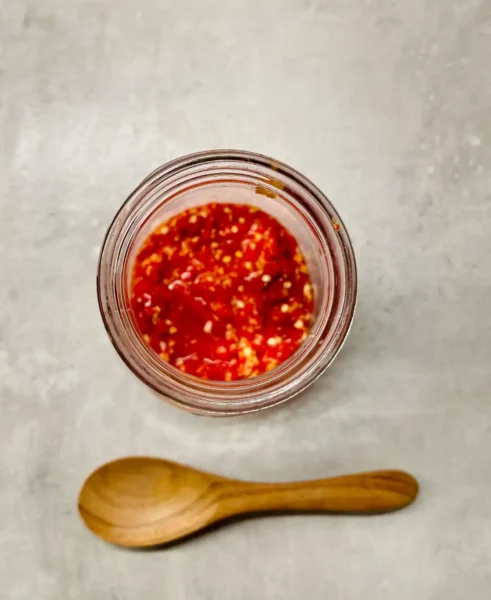
Chili flakes add just enough heat to cut through the richness and keep the dish lively.
💧 Emulsified Sauce
A splash of starchy pasta water helps the oil cling to the pasta, creating a light, silky sauce.
🍝 Texture Matters
Cooking pasta al dente adds structure and bite, balancing the richness of the oil.
🌿 Fresh Finish
Parsley and a final drizzle of oil bring freshness and aroma to the dish.
It’s simple, but it’s not basic—this dish works because every element is doing exactly what it should.
Garlicky Goodness: The Perfect Spaghetti Aglio E Olio Recipe
Ingredients
Method
- Fill a big pot with water and heat it until it boils. Stir in 2 tablespoons of salt and the pasta and follow the instructions on the package for cooking time. Before you pour out the water, save 1 1/2 cups of it for later. Then drain the pasta.
- In a large, shallow pot or a 12-inch saute pan, heat the olive oil over medium heat. Add the garlic and stir frequently for 2 minutes, or until it starts to turn golden on the edges. Do not overcook the garlic! Then, add the red pepper flakes and stir for another 30 seconds. Next, carefully pour the reserved pasta-cooking water into the pot with the garlic and oil and bring it to a boil. Reduce the heat, season with 1 teaspoon of salt, and let it simmer for about 5 minutes, or until the liquid is reduced by about a third.
- Combine the garlic sauce and the pasta that has been drained. Turn off the heat and stir in the parsley and Parmesan. Let the pasta sit for 5 minutes without heat so the sauce can soak in. Check the seasoning and adjust if needed. Serve it warm with more Parmesan on the side if desired.
Notes
FAQ
Spaghetti Aglio e Olio – Common Questions
Can I make aglio e olio without chili flakes?
Yes. Chili flakes add gentle heat, but the dish still works beautifully with just garlic, olive oil, pasta water, parsley, and salt.
Why did my garlic taste bitter?
The garlic probably cooked too long or over too much heat. Keep the heat low to medium and stop cooking once it turns lightly golden.
Do I need to add cheese?
Traditionally, aglio e olio does not need cheese. If you like it, a small amount of Parmesan or Pecorino can be added, but it changes the classic style.
Can I use regular olive oil instead of extra virgin?
You can, but extra virgin olive oil gives the best flavor because it is one of the main ingredients in the sauce.
Why is pasta water important?
Starchy pasta water helps the olive oil cling to the spaghetti, creating a light, silky sauce instead of greasy noodles.
Can I make aglio e olio ahead of time?
It is best served fresh. If needed, reheat gently with a splash of water or olive oil, but the texture is best right after cooking.
What protein goes well with aglio e olio?
Chicken parmesan, grilled shrimp, salmon, or simple roasted chicken all pair well with this pasta.