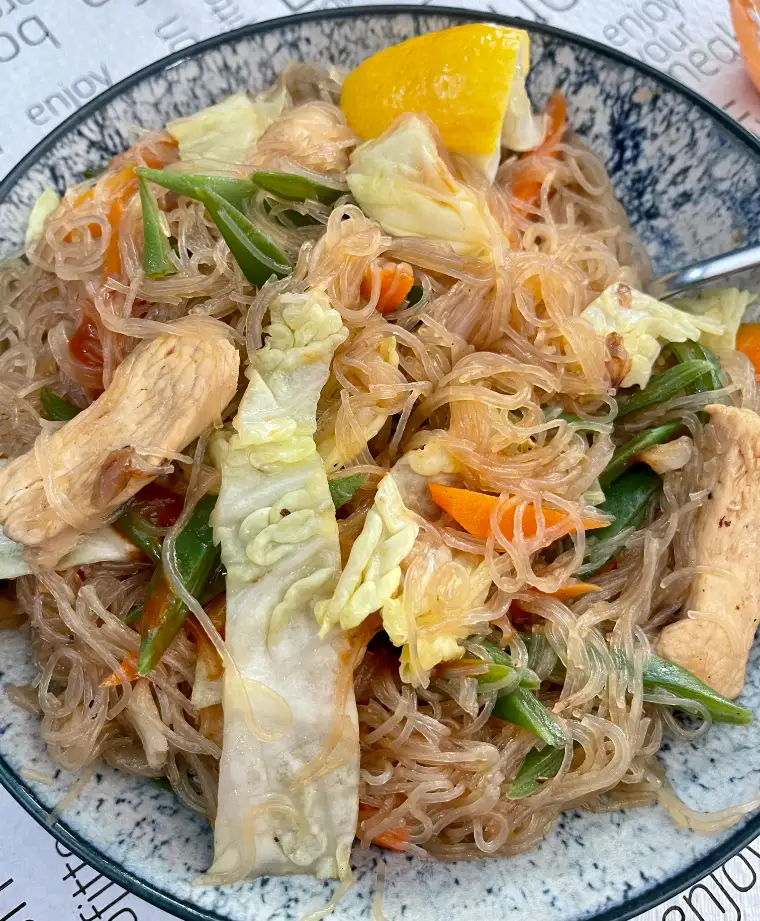
Filipino Classic
Pancit Bihon (Filipino Rice Noodles)
Fast, savory, and deeply comforting — a dish you’ll find in almost every Filipino kitchen.
I’ve always enjoyed Filipino food, and Pancit Bihon is one of those dishes you see everywhere — from casual restaurants to big family celebrations.
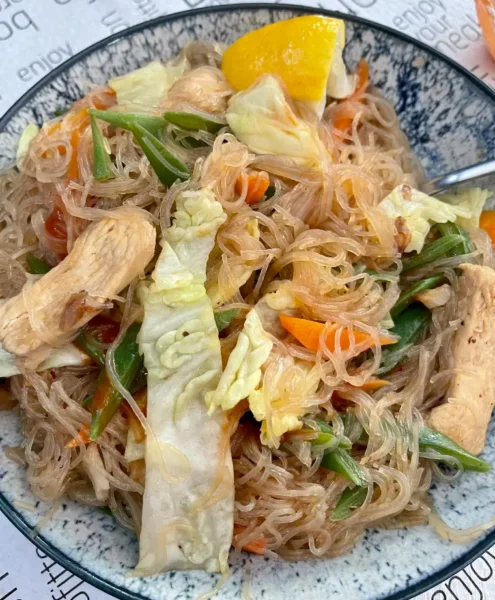
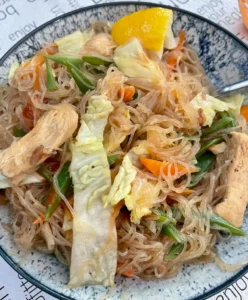
It’s made with thin rice noodles, meat (chicken, pork, or shrimp), and vegetables, all tossed together in a savory, umami-packed sauce.
👉 In Filipino culture, the long noodles symbolize long life — which is why this dish is a staple at birthdays and celebrations.
The name comes from the Hokkien phrase “pian i sit” — meaning something quickly cooked — and that’s exactly what this dish delivers.
Why Pancit Bihon Works
Pancit Bihon is one of those dishes that feels simple, but hits every note.
- Fast enough for weeknights, but still feels like a full meal
- Flexible — use whatever protein you have on hand
- Balanced — noodles, vegetables, and savory sauce in every bite
👉 It’s the kind of dish you make once… and then keep coming back to.
Make it your own, adjust the ingredients, and don’t be surprised if it becomes a regular in your rotation.
Traditional Pancit Bihon - Filipino Rice Noodle Ingredients:
Key Ingredients
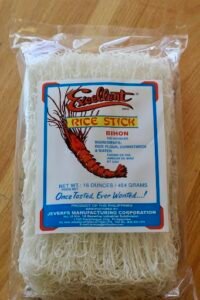
Thin rice noodles that absorb flavor easily while keeping a light, delicate texture.
Adds richness and substance. Usually pre-cooked and quickly stir-fried into the dish.
Brings the core savory, umami flavor that ties everything together.
Adds depth and a slightly sweet, savory richness to the noodles.
Carrots, cabbage, snow peas, and green beans bring color, texture, and freshness.
The aromatic base — sautéed first to build flavor from the start.
A final squeeze brightens the dish and balances the savory flavors.
Common Mistakes (Why Your Noodles Get Soggy or Clump)
Pancit Bihon is simple — but the noodles are unforgiving. A few small mistakes can turn it into a sticky mess.
Bihon noodles soften fast. Over-soaking makes them mushy before they even hit the pan.
The noodles should absorb the sauce — not swim in it. Too much liquid = soggy noodles.
If you leave them sitting, they clump. Keep everything moving so the noodles separate and cook evenly.
Once the noodles are tender, stop. Extra cooking turns them soft and sticky.
👉 The fix: soak briefly, control your liquid, and keep the noodles moving.
How to Fix Soggy Noodles (If You Already Messed Up)
It happens. The good news? You can usually save it.
Turn the heat up slightly and let excess moisture cook off. Don’t add more sauce — that makes it worse.
If possible, spread the noodles in a wider pan so steam can escape and the texture firms up.
Keep them moving, but don’t overwork them — soggy noodles break easily.
Toss in fresh vegetables or a squeeze of citrus to bring back texture and balance.
👉 You won’t get it perfect again — but you can absolutely make it good.
Why Pancit Bihon Works
Pancit Bihon hits because it brings everything together in one dish — texture, flavor, and color.
Tender noodles that soak up flavor, balanced with chewy meat and crisp vegetables.
Soy sauce, garlic, onion, and oyster sauce create a deep, savory, umami-rich base.
Fresh vegetables keep the dish light and prevent it from feeling heavy.
Bright carrots, cabbage, and greens make it as good to look at as it is to eat.
👉 It’s simple, flexible, and consistently satisfying — which is why it shows up at both everyday meals and big celebrations.
Pancit Bihon Tips & Tricks
A few small details make a big difference with pancit — especially when it comes to texture.
Using broth instead of water adds flavor before the noodles even hit the pan.
Uniform, bite-sized pieces cook faster and more evenly.
A wok or large skillet makes it easier to toss everything without overcrowding.
Tongs help keep the noodles intact and prevent them from breaking apart.
Slightly undercook — the noodles will finish cooking as you toss everything together.
High heat sears the ingredients and keeps everything from steaming.
Adds freshness, color, and a light oniony bite at the end.
👉 Control your heat and your liquid — that’s the difference between perfect noodles and a soggy mess.
What Makes Pancit Bihon Unique?
Pancit Bihon isn’t just a noodle dish — it’s a reflection of Filipino history and culture.
A blend of Chinese cooking techniques and Filipino flavors, adapted over generations into something distinctly its own.
Served at birthdays, fiestas, and family gatherings — the long noodles symbolize long life and good fortune.
Every version is slightly different, shaped by region, ingredients, and family tradition.
👉 It’s not just what’s in the pan — it’s the story behind it.
EZ Pancit Bihon - Filipino Rice Noodles
Ingredients
- 1 Lb chicken thighs bone-in, skin-on, or whatever you have
- For the Pancit Noodles:
- 15 ml canola oil or similar - NOT OLIVE OIL
- 6 garlic cloves medium, minced or finely diced
- 1/2 cup red onion finely diced, white is ok also
- 2 medium carrots peeled and cut into matchsticks "batonnets"
- 1/2 cup snow peas stem ends trimmed and strings removed
- 1/2 cup of cabbage chopped rough - optional
- 8 ounces bihon noodles vermicelli noodles or rice noodles
- 2-3 Tbsp oyster sauce
- 2 Tbsp soy sauce preferably a Filipino brands such as Silver Swan
- 2 Tbsp dark soy sauce
- 1 Tbsp fish sauce
- 1 scallion ends trimmed and sliced thinly on a bias, for garnish
- Calamansi or lemon wedges for serving
Method
- For the Chicken: If cooking
- Fill a 4-quart saucepan halfway with water. Bring the water to a boil. Add chicken. Return to a boil.
- Partially cover with a lid. Lower the heat to maintain a simmer. Cook until chicken is tender and falling away from the bone (approximately 40 minutes).
- Use tongs to transfer the chicken to a large bowl or platter. Allow the chicken to cool (approximately 15 minutes).
- Strain the remaining stock through a fine-mesh strainer into a large metal pot. Set aside the strained stock (you should have about 1.4 liters).
- Shred it into small pieces. Dispose of the skin and bones.
- *Or you can use leftover chicken, or pork and skip this step, just make or thaw a liter of chicken broth for later
- In a wok, heat oil over high heat until shimmering. Add garlic and onions and cook, stirring frequently, until softened and light brown in color, about 2 minutes.
- Add Vegetables and cook, stirring frequently, until vegetables have brightened in color and are crisp-tender, about 2 minutes. Scrape stir-fried vegetables into a medium heatproof bowl; set aside.
- For the Pancit Noodles: Add 2 cups of the reserved broth to the wok and bring to a boil over high heat. Add rice noodles, stirring to ensure that noodles are wet. Cook, stirring frequently, until noodles soften and turn translucent, about 3 minutes; if noodles have not hydrated , add more stock in 1/4 cup increments.
- Return stir-fried vegetables to wok along with shredded chicken.Mix everything thoroughly. Lower heat to maintain a simmer. Add oyster sauce, soy sauce, and fish sauce. Stir until sauces are fully incorporated and noodles are coated in a saucy glaze.
- Garnish with scallions. Serve immediately with calamansi or lemon wedges