Rustic Italian Classic
Dutch Oven Rabbit Cacciatore
Rustic, slow-braised rabbit in tomatoes, garlic, peppers, and herbs — rich, comforting, and quietly impressive.
I never tried rabbit until I moved to Spain — and honestly, I had been missing out.
In Mediterranean kitchens, rabbit isn’t unusual — it’s a staple. And this cacciatore is one of the best ways to start.
What to Expect (If You’ve Never Had Rabbit)
Rabbit is lean, mild, and surprisingly delicate. It’s often compared to chicken, but with a slightly richer, cleaner flavor.
When slow-braised in a Dutch oven with tomatoes, garlic, onions, peppers, and herbs, it becomes incredibly tender and absorbs every layer of flavor.
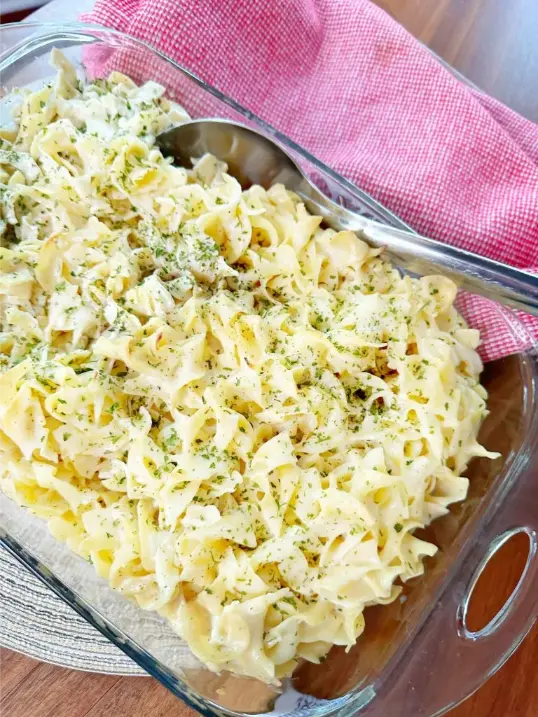
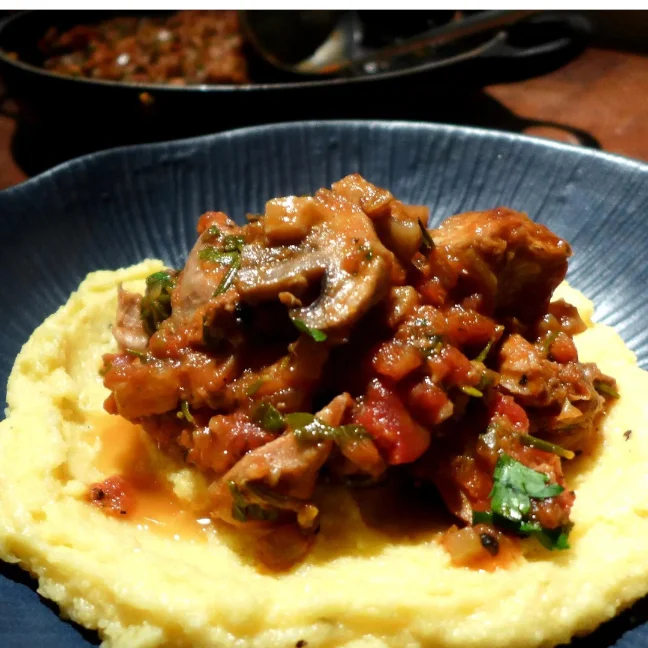
Expect a rustic, deeply savory dish that works perfectly with pasta, polenta, or crusty bread.
👉 Don’t worry about the bones — eating this with your hands is part of the experience.
A Brief History of Rabbit Cacciatore
Rabbit cacciatore is a classic Italian countryside dish rooted in simple, practical cooking. The word cacciatore means “hunter,” and traditionally this style was used for whatever game was available — often rabbit.
Hunters would combine their catch with tomatoes, onions, garlic, herbs, and a bit of wine, then simmer everything slowly over fire until tender and deeply flavorful.
Over time, the dish spread across Italy, with regional variations adding olives, mushrooms, or different herbs — but the essence never changed: rustic ingredients, slow cooking, and big flavor.
Why Rabbit Cacciatore Works
Lean but flavorful: Rabbit is high in protein and naturally lean, with a clean, slightly richer flavor than chicken.
Sear builds depth: A quick flour coating and hot sear creates a golden crust and locks in flavor from the start.
Slow braising transforms it: The Dutch oven breaks down the meat gently, turning it tender while infusing it with the sauce.
Layered flavor: Garlic, rosemary, tomatoes, and wine create a deep, rustic sauce that feels like it’s been perfected over generations.
👉 Simple ingredients + slow cooking = serious depth of flavor.
Tips & Tricks for Perfect Rabbit Cacciatore
Brown before you braise: Don’t skip this. A proper sear builds depth and gives you that rich, golden base the sauce needs.
Use the right pot: A Dutch oven gives steady, even heat for slow cooking. A slow cooker works too — just expect slightly less depth.
Layer bold flavors: Garlic, rosemary, wine, and even juniper berries are what turn this from simple stew into something memorable.
Pair it properly: Serve with pasta, creamy polenta, or crusty bread — something that can soak up every bit of sauce.
👉 This is a slow dish — don’t rush it. Time is what turns it into something special.
How to Make Dutch Oven Rabbit Cacciatore
One rabbit will comfortably feed four people. Because the pieces are small, you’ll need to sear in batches — usually three works best.
Preheat & oil: Heat your Dutch oven over medium-high. Add about 1 tablespoon of oil per batch — just enough to lightly coat the bottom. If it starts smoking, lower the heat slightly.
Season & flour: Salt the rabbit pieces, then dredge lightly in flour. Shake off excess — this helps create that golden crust.
Sear for color: Cook about 5 minutes per side until deeply golden. The first batch may take longer — color is king, not the clock. Remove and repeat.
Build the base: Lower heat to medium, add a little more oil, and sauté the onions for about 10 minutes until soft and translucent.
Deglaze & layer: Add stock and tomatoes, scraping up the browned bits — that’s where the flavor lives.
Braise gently: Return the rabbit to the pot and ensure it’s mostly submerged. Bring to a gentle simmer, cover, and cook low and slow — not boiling.
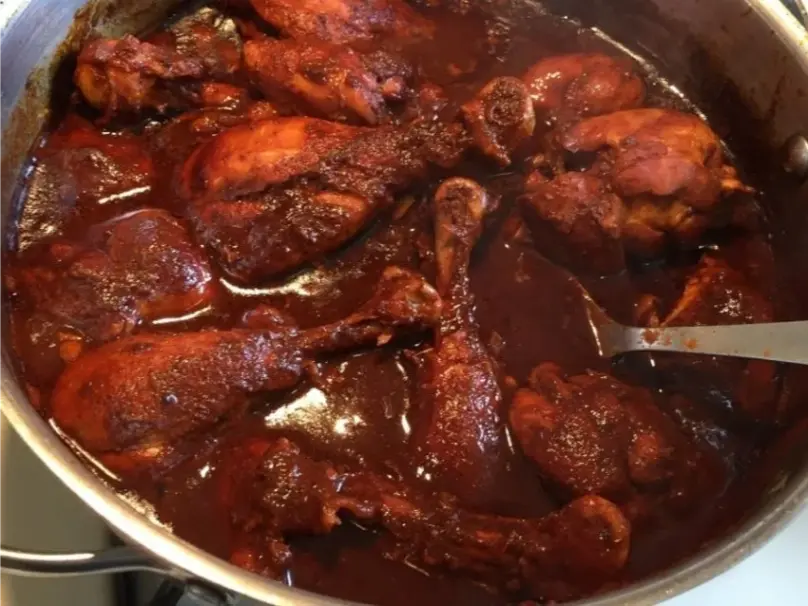
Finish & serve: Simmer about 50 minutes, then add olives (if using) and cook another 5 minutes. The rabbit should be tender and nearly falling off the bone.
👉 Serve with polenta, mashed potatoes, or crusty bread — you’ll want something to catch every drop of sauce.
Common Mistakes When Cooking Rabbit
Skipping the sear: This is the biggest mistake. No browning = no depth. You lose half the flavor before you even start.
Cooking too fast: Rabbit is lean. High heat will dry it out quickly. Keep it low and slow.
Adding too much liquid: You don’t need to drown it. Too much liquid dilutes the sauce and kills intensity.
Boiling instead of simmering: A rolling boil toughens the meat. You want a gentle, steady simmer.
Overcooking: Yes, it’s a braise — but go too far and the meat loses structure. Tender, not mushy.
👉 Control heat + build flavor early — that’s the whole game.
Rabbit Cacciatore FAQs
What does rabbit taste like?
Rabbit is mild and lean, often compared to chicken, but with a slightly richer and cleaner flavor.
Is rabbit healthy?
Yes. Rabbit is high in protein, low in fat, and generally lower in calories than most common meats.
Can I substitute chicken for rabbit?
Yes. Chicken works well with the same method, though it won’t have the same depth or texture as rabbit.
Why is my rabbit tough?
It was likely cooked too quickly or at too high a temperature. Rabbit needs gentle, slow cooking to stay tender.
What should I serve with rabbit cacciatore?
It pairs well with polenta, pasta, mashed potatoes, or crusty bread to soak up the sauce.
The Best Dutch Oven Rabbit Cacciatore Ever
Ingredients
- 900 grams rabbit pieces 1 whole rabbit about 2lb - cut into pieces
- 2 tbsp flour seasoned with salt and pepper
- 3 tbsp olive oil
- 2 onions chopped
- 3 garlic cloves chopped
- 250 ml white wine
- 1 can whole tomatoes 400g/14oz Any canned tomatoes will work
- 500 ml chicken stock
- 20 green olives give or take (optional)
- 1 tbsp sugar
Method
- Coat the rabbit pieces with flour. In a large, shallow pan, heat 1 tbsp of olive oil over medium-high heat. Fry the rabbit in 3 batches, adding 1 tbsp of oil for each batch, until golden on all sides. Transfer the rabbit to a plate and keep it warm.
- In the same pan, heat the rest of the oil and sauté the onions and garlic for 15 minutes on low heat until they are soft.
- Add the rabbit back to the pan and pour the wine over it. Increase the heat and let the wine simmer until it is reduced by half, then add the cherry tomatoes. Make sure the rabbit is fully submerged, or add some water if needed.
- Put a lid on the pan and let it cook gently for 50 minutes until the rabbit meat is soft and tender. The cooking time may vary, but if the meat is still tough, just keep cooking it and add more water if necessary. The meat will eventually fall off the bone when it is done.
- Add the olives to the cooked meat, put the lid on and let it simmer for another 5 to 10 minutes. Adjust the taste with sugar, salt and pepper, and sprinkle the rest of the parsley on top. Enjoy it with polenta, mashed potatoes or a flat pasta with butter, such as tagliatelle.
- Be careful to not over salt the stew, if you are using the olives, because they will add more salt.