Global • Easy • Surprisingly Versatile
10 Applesauce Recipes from Around the World
Same base, completely different flavors—sweet, spiced, savory, and everything in between.
Applesauce is one of those things that’s easy to make and always good—but I had no idea how many variations exist around the world.
Most of us grow up with the same version, but once you start digging, you realize different countries take it in completely different directions—spiced, sweet, tangy, even savory.
Fresh applesauce is kind of like drinking frozen orange juice your whole life… and then trying fresh-squeezed for the first time. Totally different experience.
And yeah, it also makes your house smell amazing while it cooks, which doesn’t hurt.
I even checked in with Adam Reed—our local applesauce expert at the food club—and asked which countries had interesting takes on it. He pointed me in the right direction, and that’s what this list is built on.
Same idea, different flavors depending on where you are. Let’s get into it.
Applesauce Around the World (Quick Overview)
Applesauce might seem simple, but every country does it differently. Some keep it smooth, some chunky, some tart, and others turn it into something completely different. Here’s a quick look at how it changes around the world.
Here are 10 of the most interesting applesauce variations I found
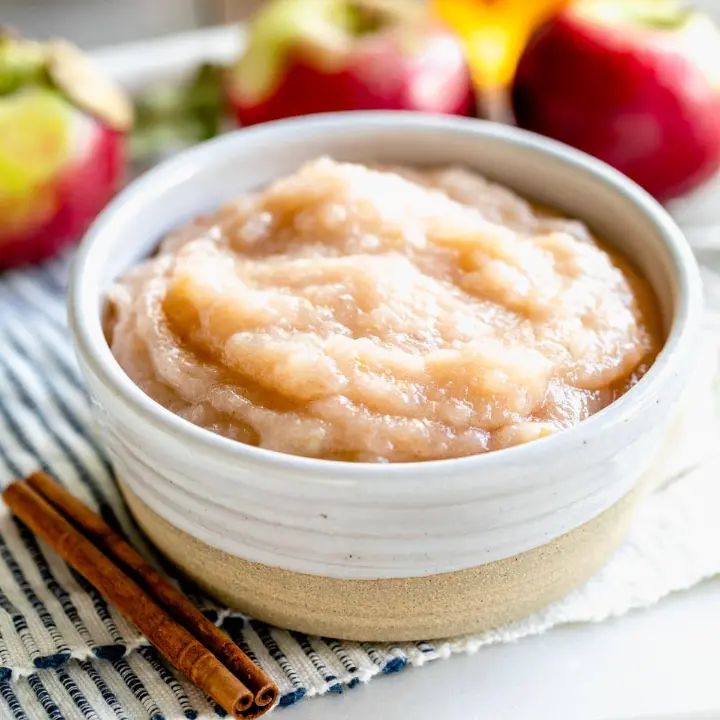
1. American: Cinnamon Applesauce
United States
Cinnamon Applesauce
This is the version most people know—simple, quick, and surprisingly good when done right.
Typically made with apples, cinnamon, sugar, and a squeeze of lemon juice, it’s all about balance. Too much of any one thing and it falls flat.
I tested a few variations, playing with the levels of sugar, cinnamon, and lemon, and the version below hit the sweet spot—balanced, not too sweet, and just enough acidity to keep it fresh.
Best Apples to Use
- McIntosh — classic applesauce apple, soft and breaks down easily
- Golden Delicious — naturally sweet and smooth
- Granny Smith (mixed in) — adds acidity and balance
Typical Ingredients
- Apples
- Cinnamon
- Sugar (optional)
- Lemon juice
Start light, taste, and adjust. That’s the move here.
Best served with
Pork dishes, breakfast sides, or as a simple snack on its own.
2. German: Apfelmus:
Germany
Apfelmus
Smoother and a bit sweeter than the American version, Apfelmus leans into a more refined texture and balanced sweetness.
The versions I looked at consistently used a little more sugar—roughly about a third more—and they go all in on texture. No chunks here. This is meant to be fully puréed and silky.
It’s often served alongside savory dishes, which makes that slightly sweeter profile make more sense.
Best Apples to Use
- Elstar — classic German choice, balanced sweet-tart
- Boskoop — more tart, great for depth
- Granny Smith (substitute) — works well if local varieties aren’t available
Typical Ingredients
- 4 lbs apples
- 6 tbsp lemon juice
- 2/3 cup sugar
- 1 cinnamon stick
Blend it smooth—that’s the key difference here.
Best served with
Pork dishes, sausages, potato pancakes, or as a side to savory meals.
3. French: Compote de Pommes:
France
Compote de Pommes
This is where applesauce starts to feel a little more refined. Compote de Pommes is typically chunkier, lightly sweetened, and often finished with vanilla for a softer, more aromatic flavor.
Unlike smoother versions, this one leans into texture—you still get pieces of apple rather than a full purée. It’s simple, but just a bit more elegant.
Many recipes use a mix of apple varieties, which adds depth and complexity.
Best Apples to Use
- Golden Delicious — soft, naturally sweet, great base
- Pink Lady — adds brightness and structure
- Mix of sweet + tart — best overall flavor and texture
Typical Ingredients
- 4 lbs apples
- 1/2 cup water
- 2 tbsp brown sugar
- 1/2 cup sugar
- 1 tsp pure vanilla extract
- 4 tbsp butter (optional)
Keep it slightly chunky—that’s what makes it feel more “French.”
Best served with
Yogurt, pastries, crepes, or as a light dessert.
4. British: Bramley Apple Sauce
United Kingdom
Bramley Apple Sauce
This one goes in a different direction—more tart, less sweet, and a bit more understated.
Traditionally made with Bramley apples, which are known for their sharp, tangy flavor, this version often uses little to no sugar. The goal isn’t sweetness—it’s balance.
It’s commonly served alongside savory dishes, but also works well as a simple dessert component. Warm or cold—both work.
Best Apples to Use
- Bramley apples — classic UK choice, very tart
- Granny Smith — best substitute if Bramley isn’t available
- Mix of tart apples — keeps the sharp, balanced flavor
Typical Ingredients
- 4 lbs apples (Bramley if possible)
- 4 tbsp water
- 2 tsp ground cinnamon
- 30 ml maple syrup (optional)
- 30 ml lemon juice
Lean into the tartness—that’s what makes this version stand out.
Best served with
Roast pork, sausages, or as a tangy side to savory dishes.
5. Dutch: Appelmoes:
Netherlands
Appelmoes
Similar to German Apfelmus, but a bit more flexible. Appelmoes can range from smooth to slightly chunky, depending on how it’s prepared.
It’s usually lightly sweetened, with lemon adding brightness and sometimes a touch of spice for warmth.
One small twist you’ll often see is nutmeg, which gives it a subtle depth compared to more cinnamon-heavy versions.
Best Apples to Use
- Elstar — popular in the Netherlands, balanced sweet-tart
- Jonagold — slightly sweeter with good texture
- Mix of apples — gives the best overall flavor and flexibility
Typical Ingredients
- 4 lbs apples
- 2 lemons (juice)
- 2 tbsp sugar
- 200 ml water
- Optional: 2 tsp cinnamon
- Optional: pinch of nutmeg
Smooth or slightly chunky—this one’s easy to tweak either way.
Best served with
Pork dishes, fries (classic Dutch pairing), or as a side to simple savory meals.
6. Swedish: Äppelmos:
Sweden
Äppelmos
This version leans clean and balanced—lightly sweet, gently spiced, and very straightforward.
Äppelmos is usually smooth or lightly textured, sweetened with sugar or sometimes a touch of honey, and finished with a bit of cinnamon.
It’s often served with both sweet and savory dishes, which explains the lighter hand on sugar compared to other versions.
Best Apples to Use
- Granny Smith — adds brightness and balance
- Golden Delicious — softens nicely and adds sweetness
- Mix of both — best overall result
Typical Ingredients
- 4 lbs apples
- 40 ml water
- 40–60 g sugar
- 2 tsp cinnamon
- 2 pinches ascorbic acid (optional)
Keep it light and balanced—this one isn’t meant to be overly sweet.
Best served with
Pancakes, porridge, pork dishes, or as a simple breakfast side.
7. Indian: Saucy Apple Chutney:
India
Saucy Apple Chutney
This is where things take a hard turn—in a good way.
While most versions stick to sugar and lemon, this one goes all in on spices. Garlic, ginger, mustard seeds, garam masala, chili… it’s not subtle, and that’s the point.
It’s less of a traditional applesauce and more of a chutney—sweet, spicy, tangy, and packed with flavor. Completely different direction, but it works.
I’m definitely making this one. It looks too interesting not to try.
Best Apples to Use
- Granny Smith — holds up to the spices and adds acidity
- Braeburn — slightly sweet but still firm
- Mix of tart + sweet — best balance
Typical Ingredients
- 4 lbs apples
- 4 tbsp oil
- 2 tsp mustard seeds
- 4 small pieces cinnamon
- 4 star anise
- 16 cloves
- 2 tbsp minced ginger
- 4 tsp garam masala
- 4 tsp ground fennel
- 2 tsp red chili powder
- 1 tsp salt
- 1 cup jaggery or brown sugar
- 8 tbsp golden raisins
Don’t hold back on the spices—this dish is all about bold flavor.
Best served with
Grilled meats, rice dishes, curries, or warm naan.
8. Mexican: Salsa de Manzana:
Mexico
Salsa de Manzana
This one leans more into sauce territory—slightly sweet, lightly spiced, and built to pair with savory dishes.
You’ll often see warm spices like cinnamon and nutmeg, with a touch of sweetness from honey or maple syrup. It’s simple, but a little more layered than your standard applesauce.
And yeah… the bourbon has serious potential here. It adds warmth and depth without taking over the dish.
This is another one I’ll be making and updating once I’ve tested it.
Best Apples to Use
- Honeycrisp — naturally sweet with good texture
- Fuji — adds sweetness and body
- Granny Smith (mixed in) — balances everything with acidity
Typical Ingredients
- 4 lbs apples
- 2.5 tbsp sunflower oil
- 2 cinnamon sticks
- 1 tbsp honey
- 1 tbsp maple syrup
- Ground nutmeg (to taste)
- 90 ml bourbon
- 25 ml lemon juice
- 1/2 tsp salt
- 100 ml water
Don’t overdo the bourbon—just enough to add depth without overpowering the apples.
Best served with
Pork, chicken, tacos, or grilled meats.
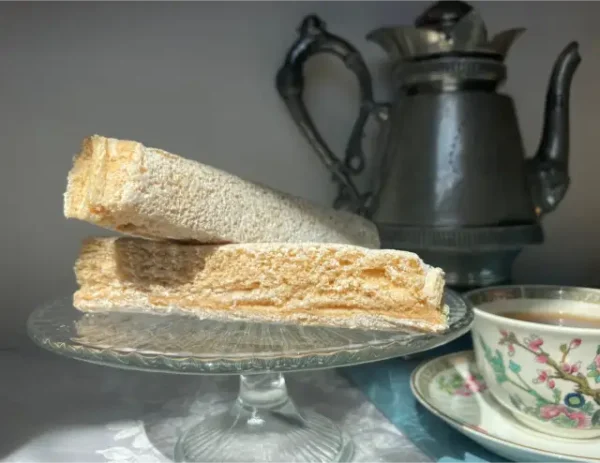
9. Russian: Pastila:
Russia
Pastila
This is where applesauce completely changes form.
Pastila starts with apples, but once you add whipped egg whites and sugar, it turns into something closer to a light, airy confection—almost cake-like in texture.
It’s sweet, soft, and slightly chewy, with a texture somewhere between marshmallow, meringue, and sponge cake.
Definitely not your typical applesauce—but a great example of how far the idea can go.
Best Apples to Use
- Granny Smith — adds structure and balances sweetness
- Antonovka (if available) — traditional Russian choice, very tart
- Mix of tart apples — keeps it from becoming overly sweet
Typical Ingredients
- 4 lbs apples
- 3 cups granulated sugar
- 8 large egg whites
- 2 cups powdered sugar (for dusting)
Whip the egg whites well—this is what gives Pastila its signature light, airy texture.
Best served with
Tea or coffee, as a light dessert or sweet snack.
Sweet, airy, and completely different—this is applesauce taken to another level.
10. Japanese-Inspired Apple Jam:
Japan (Inspired)
Apple Jam with Yuzu & Ginger
Clean, simple, and a little more refined—this version leans toward a light apple jam rather than a traditional applesauce.
The standout here is yuzu, which brings a bright citrus note that’s sharper and more aromatic than lemon. Add a bit of ginger, and you get a fresh, balanced flavor that feels completely different from the heavier, spiced versions.
The optional matcha adds a subtle earthy note, but it’s more about nuance than dominance.
Best Apples to Use
- Fuji — naturally sweet and very popular in Japan
- Honeycrisp — great balance of sweetness and texture
- Pink Lady — adds a slight tartness to balance the sugar
Typical Ingredients
- 4 cups apples, peeled, cored, and finely chopped
- 1 cup sugar
- 1 tbsp yuzu juice (or lemon juice)
- 1 tsp grated ginger
- 1/2 tsp matcha (optional)
Keep the yuzu bright and the ginger subtle—this one is about balance, not overpowering the apples.
Best served with
Toast, yogurt, pastries, pancakes, or as a light topping for desserts.
Bright, clean, and lightly sweet—this is applesauce at its most refined.
Final thoughts
What I Learned from 10 Applesauce Recipes Around the World
Applesauce is way more interesting than I thought.
Going into this, I assumed applesauce was basically the same everywhere—apples, sugar, maybe some cinnamon, done.
Turns out, not even close.
- Some countries go smooth (Germany, Netherlands)
- Some keep it chunky (France)
- Some lean tart (UK)
- Some go heavy on spice (India)
- Some turn it into something completely different (Russia)
- Some keep it clean and minimal (Japan-inspired)
Same base ingredient, totally different philosophies depending on where you are.
The big takeaway: Applesauce isn’t a recipe—it’s a template.
Once you understand that, you can start adjusting it however you want—more tart, more sweet, more spice, smoother, chunkier… whatever fits your taste.
Personally, I’m most curious about the Indian chutney and the Mexican version with bourbon. Those are next on my list to test.
If you try one…
Start with the American or French version, then branch out from there. Once you see how flexible it is, it opens up fast.
Mistakes to avoid when making Applesauce
- Choosing the Wrong Apple Variety:
- Mistake: Using apples that are too sweet or not flavorful.
- Correction: Choose a mix of sweet and tart apples like Fuji, Gala, Honeycrisp, and Granny Smith, or a combination for a balanced flavor.
- Not Adjusting Sugar Levels:
- Mistake: Adding too much or too little sugar without tasting.
- Correction: Taste the applesauce during cooking and adjust the sugar gradually to achieve the desired sweetness. Keep in mind that some apples are naturally sweet.
- Not Peeling Apples: * Applesauce usually peels the apples, compote, usually leaves the peels on
- Mistake: Leaving the apple peels, resulting in a chunky and fibrous texture.
- Correction: Peel the apples for a smoother consistency. If you prefer a chunkier texture, leave some peels on.
- Adding Too Much Water:
- Mistake: Adding excessive water, resulting in a watery applesauce.
- Correction: Start with a small amount of water, and add more if needed. You can always add water, but it’s challenging to remove excess.
- Neglecting to Stir:
- Mistake: Not stirring the applesauce, leading to uneven cooking.
- Correction: Stir occasionally to ensure even cooking. Pay attention to the bottom to prevent sticking or burning.
- Not Adjusting Spices:
- Mistake: Using too much or too little spice.
- Correction: Add spices gradually and taste as you go. Adjust the quantity to achieve the desired flavor without overpowering the natural apple taste.
- Not Testing Consistency:
- Mistake: Neglecting to check the consistency during cooking.
- Correction: Test the consistency on a chilled plate to ensure it’s thick enough. If it’s too runny, continue cooking.
Serve your applesauce as a dessert, hot in the winter, cold in the summer, with granola, oatmeal, pancakes, waffles, or ice cream. Or just enjoy it by it’s self!
Ingredients
- 4 pounds of apples about 8 to 10 apples, depending on their size.
- 4 strips of lemon peel With a vegetable peeler, peel off 4 strips of zest, avoiding the white pith underneath.
- 3 tablespoons lemon juice or apple cider vinegar more or less to taste
- 1/2 teaspoon ground cinnamon more or less to taste
- 1/2 cup white sugar You can replace half of the white sugar with brown sugar.
- 1 cup of water drinking water
- 1/2 teaspoon of salt to taste, but it needs a little to make the other flavors pop
Method
- Note: use varieties that are suitable for cooking, such as Granny Smith, McIntosh, Fuji, or Golden Delicious.
- Follow these steps to prepare the apples:- Peel the apples and remove the cores.- Cut each apple into four equal pieces.- Put the apple pieces in a large pot.- Add the lemon peel strips, lemon juice or vinegar, cinnamon, sugar, water and salt to the pot.
- To cook the apples, start by boiling them over high heat. Then, reduce the heat and put a lid on the pot. Let them simmer gently for 15 to 20 minutes, or until they are mashable tender.
- After cooking the apples, take the pot off the heat and discard the lemon peels. Then, crush the apples until they are smooth.
- To make a chunky applesauce, mash the cooked apples in the pot with a potato masher. If you want a smoother applesauce, you have three options: use a food mill, a stick blender, or a standing blender to purée the cooked apples. (If you use a standing blender, fill the blender bowl only halfway)
- To adjust the consistency of the applesauce, you can add some water if it is too thick.
- If not sweet enough, add more sugar to taste. If it's too sweet, add more lemon juice.
Notes
Sweetness Guide
Apple Sweetness Comparison Chart
Use this quick guide to choose the right apples and sweeteners for your applesauce. For the best balance, combine naturally sweet apples with a sharper variety.
Granny Smith
Sweetness: Low
Flavor: Sharp, tart, bright
Best use: Balancing sweeter apples
Golden Delicious
Sweetness: Medium
Flavor: Mellow, honeyed, soft
Best use: Classic smooth applesauce
Gala
Sweetness: Medium-high
Flavor: Sweet, mild, fragrant
Best use: Naturally sweet applesauce
Fuji
Sweetness: High
Flavor: Very sweet, crisp, juicy
Best use: No-sugar applesauce
Honey
Sweetness: Very high
Flavor: Floral, rich, rounded
Best use: Small finishing adjustment
Maple Syrup
Sweetness: Medium
Flavor: Warm, caramel-like
Best use: Warm spiced applesauce
Best all-round mix: Fuji or Gala for natural sweetness, plus Granny Smith for brightness. This gives you a richer applesauce without needing much added sugar.
Applesauce FAQ
Frequently Asked Questions
What apples are best for applesauce?
A mix of sweet and tart apples works best. Fuji, Gala, or Golden Delicious add natural sweetness, while Granny Smith gives the applesauce a brighter, more balanced flavor.
Do I need to add sugar to applesauce?
Not always. If you use naturally sweet apples such as Fuji or Gala, you may not need any extra sugar. Taste near the end of cooking before adding sweetener.
How can I make applesauce less sweet?
Add a little lemon juice, use more tart apples, or avoid added sweeteners. A small pinch of salt can also make the flavor taste more balanced.
Can I use honey or maple syrup instead of sugar?
Yes. Honey is quite sweet, so start with a small amount. Maple syrup is gentler and adds a warm, caramel-like flavor that works especially well with cinnamon.
Why does my applesauce taste bland?
It probably needs a little acidity or seasoning. Add lemon juice for brightness, cinnamon for warmth, or a tiny pinch of salt to bring out the apple flavor.
Fast & EZ Applesauce Pairs well with: